ample on-site parking available


What Your Dentist Can (And Can’t) Remove With a Cleaning
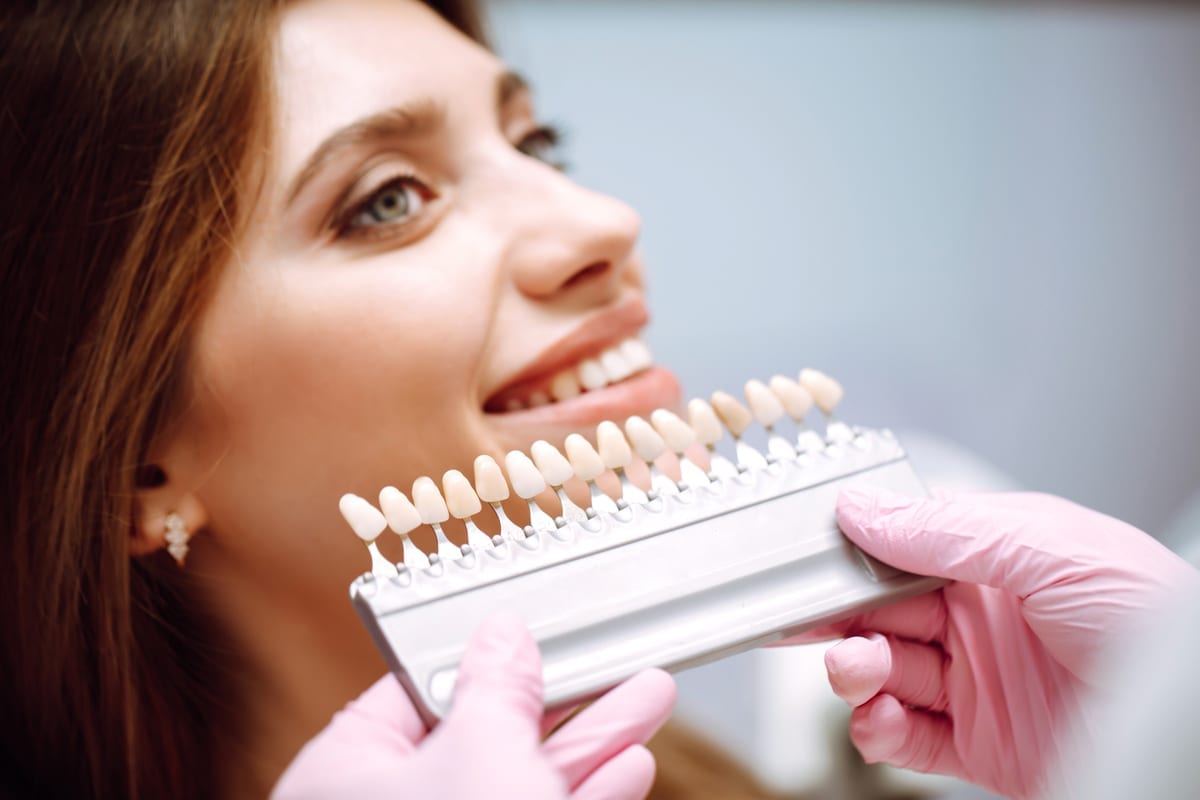
Many patients leave a cleaning expecting brighter, whiter teeth. Sometimes that happens — but not always. Understanding what your dentist can (and can’t) remove with a cleaning in Fitchburg helps you set realistic expectations. At Rollstone Family Dental of Fitchburg, Dr. Mark Berenshteyn wants every patient to walk out informed, not disappointed.
A professional cleaning does far more than most people realize. It removes plaque, tartar, and certain surface stains. However, it has clear limits — especially when it comes to deep or intrinsic discoloration. Knowing the difference helps you choose the right next step for your smile.
What a Professional Cleaning Actually Does in Fitchburg
A standard dental cleaning involves two main steps. First, a dental hygienist removes hardened tartar and soft plaque from your teeth. Then, a gritty polishing paste buffs away surface debris and minor staining. The result is cleaner, smoother teeth — and often a noticeably fresher appearance.
This process is a core part of General Dentistry Fitchburg patients rely on every six months. It keeps gum disease at bay and prevents cavities from forming. Regular cleanings also give Dr. Berenshteyn a chance to catch problems early. Prevention is always easier than treatment.
The polishing step is where stain removal happens. The paste works like a mild abrasive on your enamel surface. It lifts light discoloration caused by food, drinks, and everyday buildup. But this only works on stains that sit on top of the tooth — not inside it.
Which Stains a Cleaning Can Remove
Surface stains — called extrinsic stains — respond well to professional polishing. These stains form on the outer layer of enamel over time. Common causes include coffee, tea, red wine, berries, and tobacco use. If the stain is recent or mild, a cleaning often removes it completely.
Here are the types of stains that typically respond to a professional cleaning:
- Light coffee or tea discoloration on enamel surfaces
- Tobacco staining that has not deeply penetrated enamel
- Food-related pigmentation from berries, sauces, or dark beverages
- Plaque-related yellowing caused by inconsistent brushing
- Surface debris that has built up between dental visits
These stains sit on the outside of the tooth. Polishing paste and professional tools can lift them effectively. Many patients are surprised by how much brighter their teeth look after a routine cleaning. This is especially true when they have not had a cleaning in over a year.
What a Cleaning Cannot Remove — And Why
Not all stains respond to polishing. Intrinsic stains live inside the tooth structure itself. They form within the dentin layer — the layer beneath enamel. No amount of polishing paste can reach them.
Intrinsic stains have several common causes:
- Long-term use of certain antibiotics like tetracycline during tooth development
- Excessive fluoride exposure during childhood (dental fluorosis)
- Natural aging, which thins enamel and darkens the dentin beneath
- Tooth trauma that causes internal bleeding and staining
- Genetic factors that affect tooth color from birth
These stains are not a sign of poor hygiene. They simply exist at a level that cleaning tools cannot reach. If you notice that your teeth still look yellow or gray after a cleaning, this is likely the reason. The good news is that other options exist.
Deep staining from years of heavy coffee or wine drinking can also resist polishing. Once pigment penetrates into porous enamel, it behaves more like an intrinsic stain. A cleaning will improve the look, but it may not fully restore original whiteness. This is where cosmetic treatment becomes the right conversation to have.
When You Should Consider Whitening or Cosmetic Options
If your staining does not improve after a cleaning, professional whitening may be the next step. Whitening treatments use peroxide-based agents that penetrate enamel. They break down the pigment molecules that cause discoloration. This works on a deeper level than polishing alone.
For stains that whitening cannot address, veneers offer another solution. Veneers are thin shells bonded to the front of the tooth. They cover discoloration entirely and create a uniform, bright appearance. Dr. Berenshteyn can walk you through whether veneers make sense for your situation.
Patients in Fitchburg exploring these options can learn more through our Cosmetic Dentistry Fitchburg services. Cosmetic treatments are designed to address what a cleaning cannot. They are customized to your specific type of discoloration and your smile goals. The first step is always an honest conversation about what you are seeing and what you want to change.
It is important to complete your cleaning before starting any whitening treatment. Clean teeth respond better to whitening agents. Plaque or tartar on the surface can block the bleaching gel from working evenly. Think of cleaning as the foundation — whitening builds on top of it.
What to Expect During Your Cleaning at Rollstone Family Dental
When you visit Rollstone Family Dental of Fitchburg, your cleaning follows a clear process. The hygienist will use a scaler to remove hardened tartar from your gumline and between teeth. This step takes time and precision — rushing it leads to missed buildup. Dr. Berenshteyn reviews the results and checks for any areas of concern.
After scaling, the hygienist polishes your teeth using a rotating rubber cup and gritty paste. You will feel mild pressure but no sharp discomfort. The paste comes in different flavors and textures. This step removes surface stains and leaves your enamel smooth.
A fluoride treatment often follows the polish. Fluoride strengthens enamel and reduces sensitivity. The whole appointment typically takes 45 to 60 minutes. You leave with cleaner teeth and a clearer picture of your oral health.
Frequently Asked Questions
Can a teeth cleaning whiten my smile in Fitchburg?
A cleaning can remove surface stains and make your teeth look cleaner and brighter. However, it does not change the natural color of your enamel. If you want a noticeably whiter smile, professional whitening or cosmetic treatment is the more effective path.
How often should I get a professional cleaning?
Most patients benefit from a cleaning every six months. Some patients with gum disease or heavy tartar buildup may need more frequent visits. Dr. Berenshteyn will recommend a schedule based on your specific oral health needs during your exam.
Why do my teeth still look yellow after a cleaning?
Yellow or gray discoloration that remains after a cleaning is usually intrinsic staining. This type of staining lives inside the tooth structure and cannot be removed by polishing. Whitening treatments or veneers are typically more effective options for this kind of discoloration.
Is teeth polishing during a cleaning safe for enamel?
Yes, professional polishing is safe when performed correctly. The paste used by hygienists is designed to clean without causing significant enamel wear. Polishing at every cleaning appointment is generally considered safe for healthy teeth.
What is the difference between plaque, tartar, and staining?
Plaque is a soft, sticky film of bacteria that forms daily on teeth. Tartar is hardened plaque that can only be removed with professional tools. Staining is discoloration on or within the tooth caused by food, drinks, habits, or internal factors. A cleaning addresses all three — but staining removal depends on how deep the pigment has set.
At Rollstone Family Dental of Fitchburg, we believe informed patients make better decisions about their care. Whether your goal is a cleaner mouth or a brighter smile, Dr. Berenshteyn and his team are here to guide you every step of the way. Book Now to schedule your appointment with our team.