ample on-site parking available


Porcelain vs. Composite Veneers: Which Lasts Longer and Costs Less
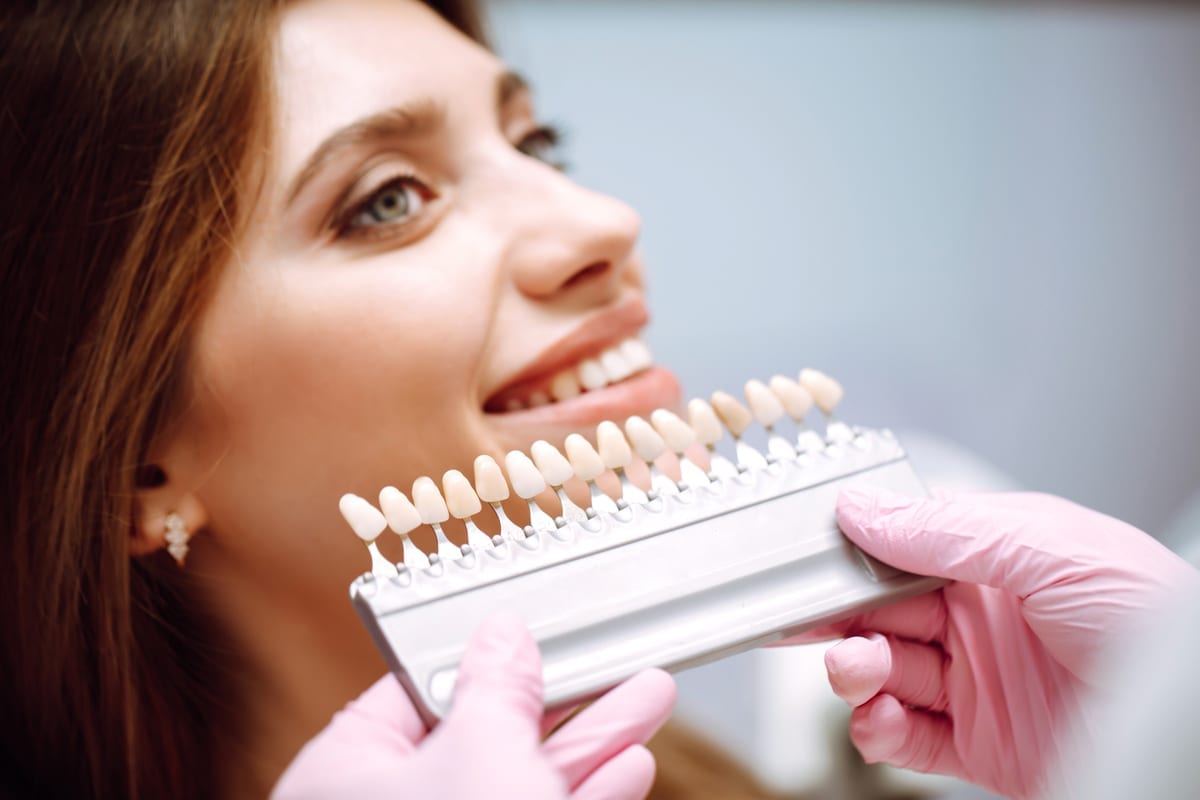
If you are exploring smile improvements in Fitchburg, veneers are one of the most popular options available. But patients often face the same key question: porcelain vs. composite veneers — which lasts longer and costs less in Fitchburg? Understanding the differences helps you make a confident, well-informed choice. At Rollstone Family Dental of Fitchburg, Dr. Mark Berenshteyn helps patients compare both options based on their individual goals and budgets.
What Are Porcelain and Composite Veneers?
Veneers are thin shells bonded to the front surface of your teeth. They correct chips, stains, gaps, and minor misalignment. Both types serve the same cosmetic purpose but differ significantly in material and process. Understanding those differences is the first step toward choosing the right fit for your smile.
Porcelain veneers are custom-crafted in a dental laboratory. They require two or more appointments and a small amount of enamel removal. The result is a highly realistic, glass-like finish that closely mimics natural tooth structure. Porcelain reflects light much like real enamel does.
Composite resin veneers are applied directly to the tooth in a single visit. Your dentist sculpts the material by hand and cures it with a special light. No dental lab is needed. This makes composite a faster and more affordable entry point into Cosmetic Dentistry Fitchburg patients can access quickly.
Aesthetics and Appearance: Which Looks More Natural?
Appearance is often the deciding factor for many patients. Porcelain veneers are widely regarded as the gold standard for aesthetics. Their translucency and surface quality closely replicate natural enamel. They also resist staining far better than composite resin over time.
Composite veneers have improved dramatically in recent years. A skilled dentist can achieve very natural-looking results with modern composite materials. However, composite tends to dull slightly over time due to surface staining from coffee, tea, and red wine. Regular polishing helps maintain their appearance.
For patients who want the most lifelike, long-lasting cosmetic result, porcelain typically wins on aesthetics. For patients who want a solid improvement without a high initial investment, composite delivers excellent results at a more accessible price point.
Porcelain vs. Composite Veneers — Durability and Longevity in Fitchburg
Durability is one of the most important factors when comparing these two materials. Here is a clear breakdown of how each type holds up over time:
- Porcelain veneers typically last 10 to 15 years or longer with proper care.
- Composite veneers generally last 5 to 7 years before needing touch-ups or replacement.
- Porcelain is harder and more resistant to chipping under normal biting forces.
- Composite is more prone to chipping but is easier and cheaper to repair.
- Both materials require good oral hygiene and regular dental check-ups to reach their full lifespan.
If you grind your teeth or have a heavy bite, your dentist will factor that into the recommendation. A night guard may be suggested alongside either type of veneer. Protecting your investment matters just as much as making it.
Fitchburg patients who prioritize long-term value often find that porcelain pays off over time. Even though the upfront cost is higher, fewer replacements over the years can balance the equation.
Cost Comparison: What Fitchburg Patients Can Expect to Pay
Cost is one of the biggest practical considerations when choosing between these two options. Prices vary depending on the number of teeth treated and the complexity of your case. Here is a general comparison to guide your thinking:
- Porcelain veneers typically range from $900 to $2,500 per tooth nationally.
- Composite veneers typically range from $250 to $1,500 per tooth nationally.
- Composite requires no lab fees, which is why the cost is lower upfront.
- Porcelain may need replacement less frequently, potentially lowering long-term costs.
- Composite repairs are inexpensive if a chip or crack occurs.
Your total investment depends on how many teeth you want to treat. Treating six to eight front teeth is the most common approach. Dr. Berenshteyn will provide a personalized estimate during your consultation. That conversation helps you plan ahead with realistic expectations.
It is also worth noting that composite veneers can serve as a reversible preview. Some patients start with composite to test the look before committing to porcelain. This approach is especially popular among younger patients in Fitchburg exploring their options.
The Procedure: What to Expect for Each Type
The treatment process differs meaningfully between porcelain and composite veneers. Knowing what to expect helps reduce anxiety and helps you plan your schedule.
For porcelain veneers, the typical process includes:
- A consultation and smile design appointment with Dr. Berenshteyn.
- Light enamel removal to prepare the tooth surface for bonding.
- Impressions or digital scans sent to a dental laboratory.
- Temporary veneers placed while your permanent ones are crafted.
- A second appointment to bond and finalize your permanent porcelain veneers.
For composite veneers, the process is simpler:
- A consultation to plan the shape and shade of your veneers.
- Minimal or no enamel removal in most cases.
- Direct application and sculpting of composite resin in a single visit.
- Curing with a special light, followed by polishing and final adjustments.
Composite veneers are ideal for patients who want results quickly. Porcelain requires patience but rewards it with a longer-lasting, more refined outcome. Both options are available through General Dentistry Fitchburg practices that offer cosmetic services like Rollstone Family Dental.
Which Veneer Type Is Right for You in Fitchburg?
Choosing between porcelain and composite veneers is a personal decision. It depends on your goals, timeline, and budget. Dr. Berenshteyn takes a thorough, patient-first approach to help you decide. There is no one-size-fits-all answer.
Consider porcelain if you want the most durable, stain-resistant, and lifelike result over the long term. Consider composite if you want a more affordable starting point, a reversible option, or a faster turnaround. Both can dramatically improve your confidence and smile quality.
The best way to decide is through a one-on-one consultation at Rollstone Family Dental of Fitchburg. Dr. Berenshteyn will examine your teeth, discuss your aesthetic goals, and walk you through your best options. Book Now to schedule your appointment with our team.
Frequently Asked Questions
How long do porcelain veneers last compared to composite?
Porcelain veneers typically last 10 to 15 years or more with proper care. Composite veneers generally last 5 to 7 years before needing repair or replacement. Porcelain is more durable and stain-resistant over the long term.
Can composite veneers be repaired if they chip?
Yes. One of the key advantages of composite veneers is that they are easy to repair. A dentist can add and reshape composite resin directly at the office. The repair is quick and typically much less expensive than replacing a porcelain veneer.
Do veneers require removing a lot of enamel?
Porcelain veneers require a small amount of enamel removal to ensure a proper fit and natural thickness. Composite veneers usually require little to no enamel removal. Your dentist will always aim to preserve as much natural tooth structure as possible.
Are veneers a permanent commitment?
Porcelain veneers are considered a permanent commitment because enamel is removed during placement. Composite veneers are closer to reversible since minimal enamel is altered. Discussing long-term plans with your dentist before treatment helps set clear expectations.
How do I maintain veneers after getting them?
Brush twice daily with a non-abrasive toothpaste and floss regularly. Avoid biting hard objects like ice or nails that could chip either type of veneer. Schedule regular dental check-ups and cleanings so your dentist can monitor the condition of your veneers over time.