ample on-site parking available


Stop a Missing Tooth Before It Costs You Thousands
Losing a tooth can feel like a small problem at first. You adjust, avoid certain foods, and move on. But here in Fitchburg, many patients discover too late that ignoring a missing tooth leads to much bigger — and more expensive — dental problems. The smartest move is to stop a missing tooth before it costs you thousands in Fitchburg. Early action protects your jawbone, your surrounding teeth, and your wallet. Dr. Mark Berenshteyn and the team at Rollstone Family Dental of Fitchburg are here to help you understand exactly why acting early matters so much.
Why a Missing Tooth Is Never ‘Just’ a Missing Tooth in Fitchburg
Most people think of a gap as only a cosmetic concern. In reality, it triggers a chain reaction inside your mouth. Your jawbone needs the stimulation of a tooth root to stay dense and healthy. Without that root, the bone begins to shrink — a process called resorption — within just a few months.
As bone shrinks, nearby teeth lose their support structure. They slowly drift toward the open gap. This shifting throws off your bite, increases wear on healthy teeth, and can lead to jaw pain or TMJ issues. What started as one missing tooth can eventually affect your entire smile.
Patients who wait years to address a gap often need far more complex treatment. Bone grafts, orthodontic correction, and multiple restorations can add up to thousands of dollars. Acting early is almost always the less expensive path.
Stop a Missing Tooth Before It Costs You Thousands — What Early Treatment Looks Like
The good news is that effective solutions exist at every stage. The earlier you seek care, the more straightforward and affordable your treatment options tend to be. At Rollstone Family Dental of Fitchburg, Dr. Berenshteyn evaluates each patient individually to recommend the right approach.
Here are the most common solutions for a missing tooth, from earliest to later-stage intervention:
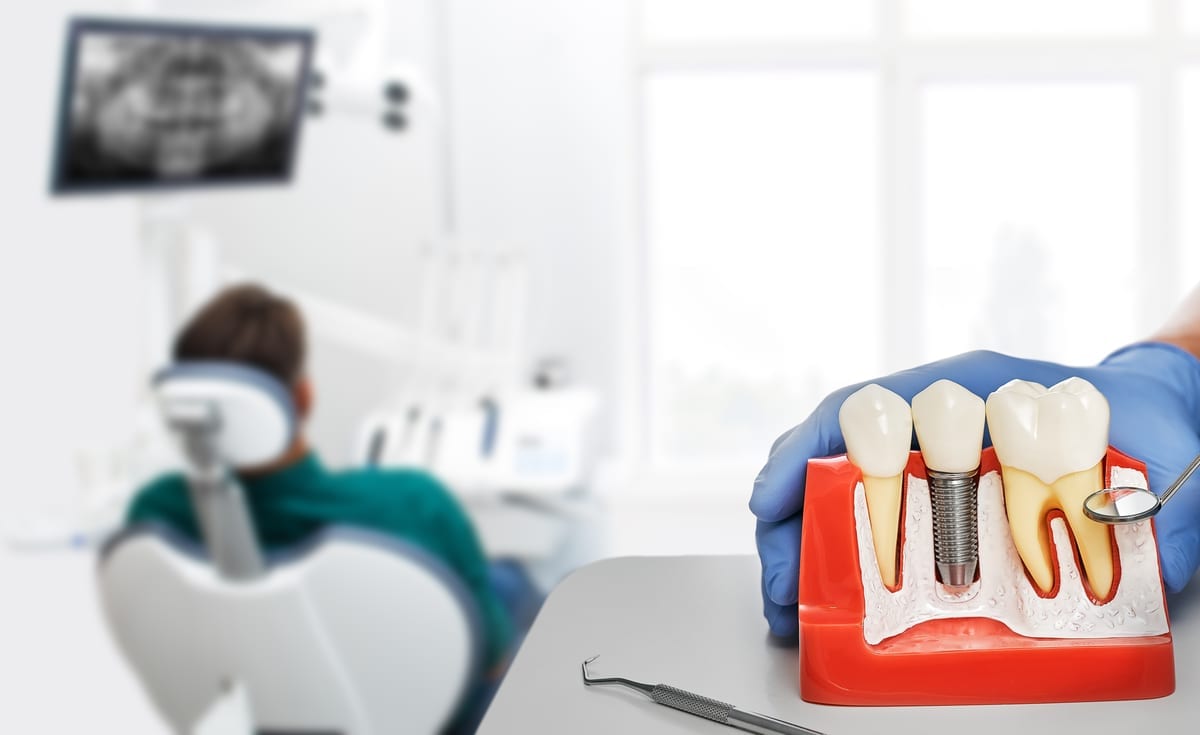
- Dental Implants: The gold standard for tooth replacement. An implant mimics a natural tooth root, stimulating the jawbone and preventing bone loss from the start.
- Dental Bridges: A fixed restoration that fills the gap by anchoring to adjacent teeth. Best placed before significant shifting occurs.
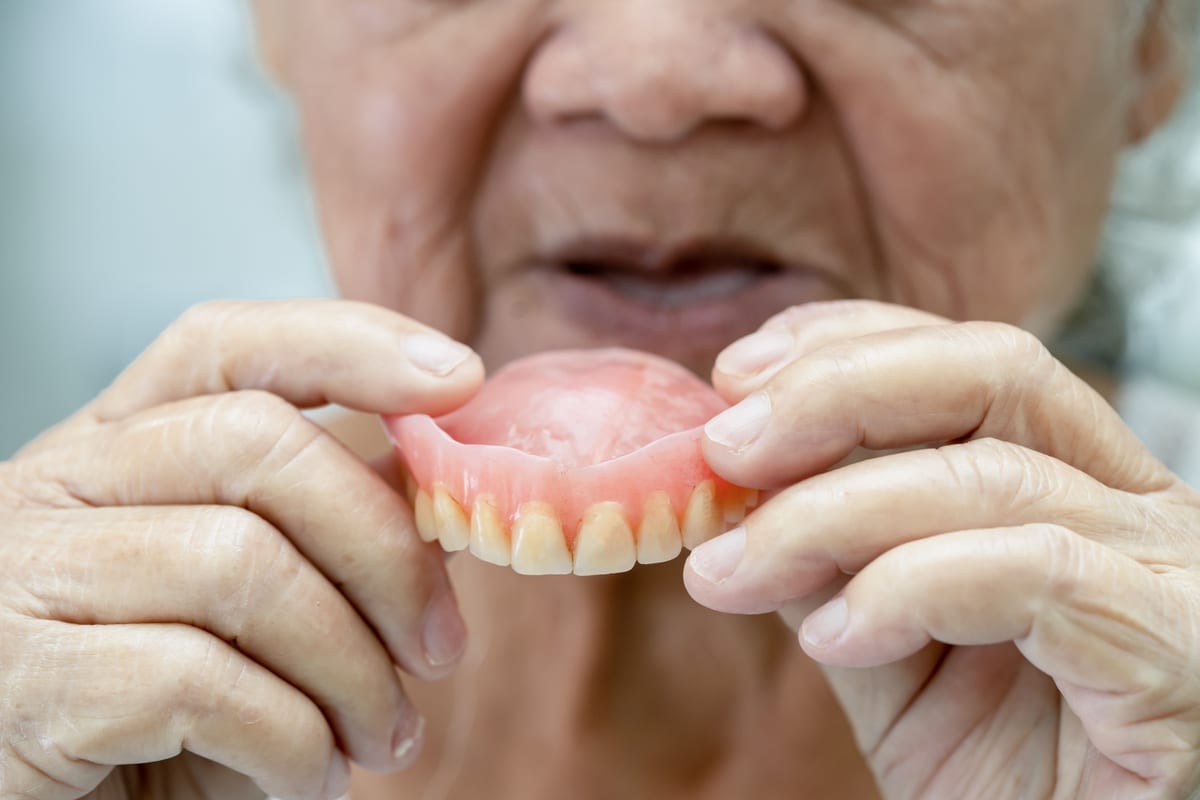
- Partial Dentures: A removable option that restores function and appearance, suitable for patients missing several teeth.
- Full Dentures: Recommended when most or all teeth in an arch are missing or failing.
Each option works best when placed as soon as possible after tooth loss. The longer you wait, the more bone you lose — and the fewer options you may have without additional procedures first.
How General and Cosmetic Dentistry Both Play a Role
Preventing thousands in dental costs is not just about replacing the missing tooth. It also involves maintaining the health of everything around it. Routine visits for General Dentistry Fitchburg allow Dr. Berenshteyn to catch shifting teeth, bone changes, and gum problems before they escalate.
Regular cleanings remove bacteria that thrive in gaps and hard-to-reach spaces left by missing teeth. Untreated gum disease accelerates bone loss and threatens neighboring teeth. Staying current with preventive care is one of the most cost-effective decisions you can make.
For patients concerned about the appearance of their smile, Cosmetic Dentistry Fitchburg options such as veneers can complement restorations and create a seamless, natural look. Addressing both function and aesthetics together often produces the best long-term results.
Think of preventive and restorative care as two sides of the same coin. One protects what you have. The other replaces what you have lost.
The Real Cost of Waiting — A Closer Look
It helps to understand the actual financial stakes. When a tooth is missing and left untreated, here is what can happen over time:
- Bone resorption begins within three to six months of tooth loss
- Adjacent teeth begin drifting within one to two years
- Gum disease risk increases significantly around an open gap
- A bone graft — needed before many implants — can add significant cost to your treatment
- Orthodontic correction for drifted teeth may be required before any restoration
- Additional tooth loss becomes more likely as the domino effect continues
Compare that to the cost of a single implant placed shortly after tooth loss — with no bone graft needed because the bone is still intact. The math is clear. Early treatment is preventive care, not just tooth replacement.
Many Fitchburg patients are surprised to learn that implants, though a meaningful investment upfront, often cost less over a lifetime than repeated repairs to teeth damaged by a neglected gap.
What to Expect When You Visit Rollstone Family Dental of Fitchburg
If you have recently lost a tooth — or have been living with a gap for some time — your first step is a comprehensive evaluation. Dr. Berenshteyn will assess your bone density, gum health, and the position of surrounding teeth. This gives you a complete picture of where things stand.
From there, the team builds a personalized treatment plan that fits your specific situation and timeline. There is no pressure and no one-size-fits-all approach. The goal is always to help you make an informed decision that protects your oral health for years to come.
Fitchburg families trust Rollstone Family Dental for care that is honest, educational, and built around their long-term wellbeing. Whether you need a simple cleaning or a full smile restoration, you will always know exactly what is happening and why.
Taking action today — even just scheduling a consultation — is the single best way to stop a missing tooth before it costs you thousands in Fitchburg. Do not let a small gap become a large problem. Book Now to schedule your appointment with our team.
Frequently Asked Questions
How soon after losing a tooth should I seek treatment?
You should seek an evaluation as soon as possible — ideally within weeks of tooth loss. The jawbone begins to shrink within three to six months without a tooth root to stimulate it. Acting quickly gives you more treatment options and may help you avoid additional procedures like bone grafts.
Are dental implants the only option for replacing a missing tooth?
No. Dental implants are often the preferred option because they replace the root and prevent bone loss. However, dental bridges and partial dentures are also effective solutions depending on your bone health, budget, and overall oral condition. Dr. Berenshteyn will help you understand which option suits your situation best.
Can a gap from a missing tooth affect my other teeth?
Yes, absolutely. Neighboring teeth gradually drift toward an open gap over time. This shifting disrupts your bite, increases wear on healthy teeth, and can cause jaw discomfort. Addressing a missing tooth early prevents this domino effect from damaging the rest of your smile.
Does bone loss from a missing tooth always require a bone graft before getting an implant?
Not always, but it depends on how much bone remains. If significant bone loss has occurred, a graft may be necessary to provide enough structure to support an implant. This is one of the key reasons early treatment matters — acting before bone loss progresses often eliminates the need for grafting altogether.
How do I know if I am a good candidate for a dental implant in Fitchburg?
Good candidates generally have adequate jawbone density, healthy gums, and no uncontrolled systemic conditions that affect healing. During your consultation at Rollstone Family Dental of Fitchburg, Dr. Berenshteyn will review your dental and medical history, take necessary imaging, and give you a clear answer about your candidacy and all available options.