ample on-site parking available


Is Your Mouth Ready for Dentures? What to Expect From Day One
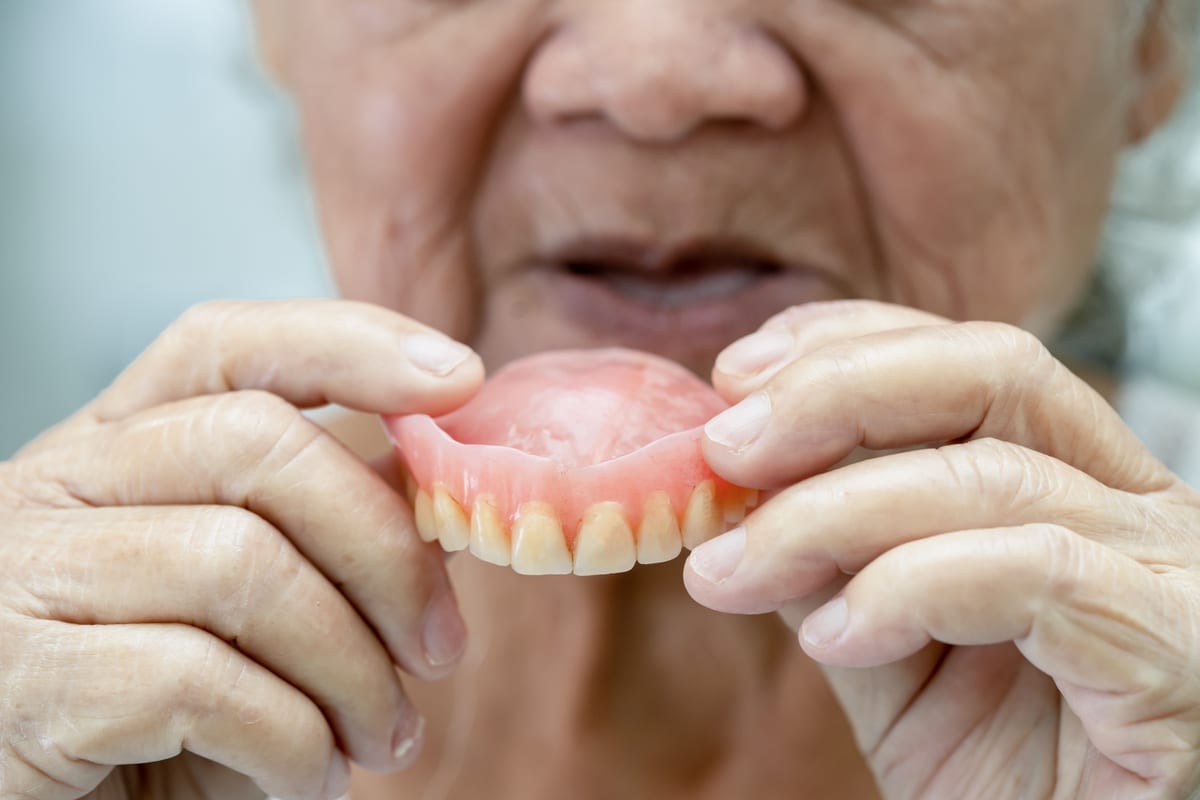
If you’ve been wondering, is your mouth ready for dentures? What to expect from day one in Fitchburg is probably your next big question. Losing teeth — or facing the prospect of losing them — can feel overwhelming. But dentures remain one of the most reliable, time-tested solutions available in General Dentistry Fitchburg. At Rollstone Family Dental of Fitchburg, Dr. Mark Berenshteyn guides patients through every stage of this journey with clarity and compassion.
This article walks you through candidacy, the extraction and healing process, and what each stage of getting dentures actually feels like. Understanding the full picture helps you make confident decisions about your oral health.
Who Is a Good Candidate for Dentures in Fitchburg?
Not every patient with missing teeth is automatically a denture candidate. Dr. Berenshteyn evaluates several key factors before recommending this solution. Your overall oral health, bone density, and gum condition all play a role in that decision.
Strong candidates for dentures typically share these characteristics:
- Multiple missing teeth or extensive tooth decay that cannot be restored
- Gum disease that has significantly damaged the supporting bone structure
- Remaining teeth that are too compromised to save long-term
- A jaw structure with adequate bone to support a denture base
- Good general health that supports healing after extractions
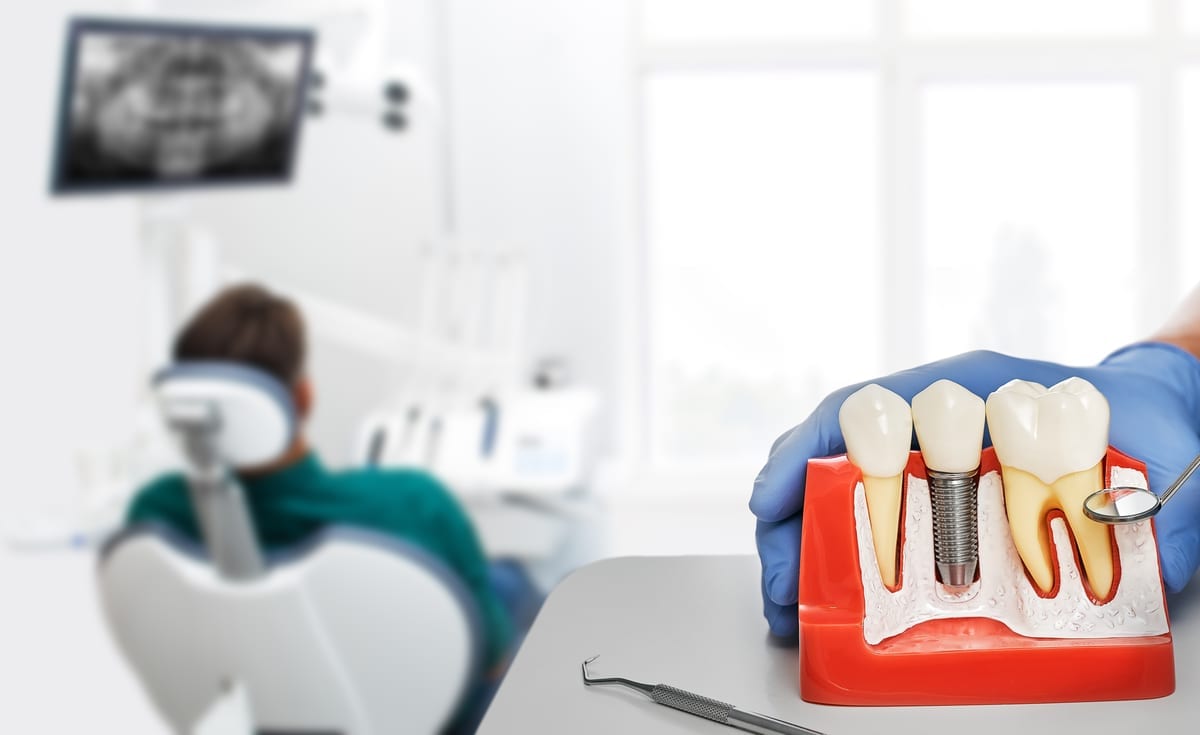
Some patients explore alternatives like dental implants before committing to dentures. Dr. Berenshteyn will discuss every option honestly. The goal is always the healthiest, most functional outcome for your specific situation.
Patients who struggle with advanced bone loss may need a bone evaluation first. This helps determine whether conventional dentures or implant-supported options make more sense. Either way, your Fitchburg dental team will map out a realistic plan from the start.
What Happens Before You Receive Your Dentures?
Most patients need one or more tooth extractions before their dentures are fitted. This is a standard and well-managed part of the process. Dr. Berenshteyn performs extractions with a focus on comfort and precision.
Here is what the pre-denture process generally looks like:
- Comprehensive exam: X-rays and a full oral evaluation determine which teeth need removal.
- Treatment planning: Dr. Berenshteyn outlines your extraction schedule and denture timeline.
- Extractions: Teeth are removed carefully, often in stages to manage healing effectively.
- Impressions: Molds of your gums and jaw are taken to custom-fit your dentures.
- Fitting appointments: Trial dentures are tested and adjusted before the final set is made.
The entire process from first exam to final denture delivery typically spans several weeks to a few months. Timing depends on how many extractions you need and how quickly your gums heal. Your Fitchburg dental team will give you a realistic schedule during your consultation.
Understanding the Healing Timeline After Extractions
Healing is one of the most misunderstood parts of the denture process. Many patients expect to leave their first appointment with permanent dentures in place. In reality, your gums need time to settle and reshape after extractions.
In the first one to two weeks, swelling and tenderness are completely normal. You may receive immediate or temporary dentures to wear during this period. These allow you to eat and speak while your gums are still healing.
Over the following weeks and months, your gum tissue continues to shrink and change shape. This is why temporary dentures often need adjustments. Wearing them as directed and returning for follow-up appointments keeps the process on track.
By the three-to-six-month mark, most patients are ready for their permanent dentures. At this stage, your gums have stabilized enough for a precise final fit. Dr. Berenshteyn fine-tunes the fit until your dentures feel natural and secure.
Key healing milestones to keep in mind include:
- Days 1–3: Rest, soft foods, and managing initial swelling
- Week 1–2: Stitches dissolve, initial soreness fades
- Month 1–3: Gum tissue reshapes and shrinks gradually
- Month 3–6: Final impressions taken for permanent dentures
What to Expect on Day One With Your New Dentures
The day you receive your permanent dentures is a significant milestone. Most patients feel a mix of excitement and adjustment anxiety — both are completely normal. Dr. Berenshteyn and the Rollstone team prepare you thoroughly for what comes next.
On day one, your dentures may feel slightly bulky or unusual in your mouth. Your tongue and cheeks need time to adapt to the new structures. This sensation typically fades within one to two weeks of consistent wear.
Speaking clearly may take a little practice at first. Reading aloud at home helps your mouth adapt more quickly. Most patients regain natural-sounding speech within a week or two.
Eating also requires an adjustment period. Start with soft foods cut into small pieces. Avoid hard, sticky, or crunchy foods during the first few weeks. As your confidence grows, you can gradually reintroduce a wider variety of foods.
Soreness and minor irritation are common in the early days. Never try to adjust your dentures yourself at home. Always return to the office so Dr. Berenshteyn can make precise professional adjustments.
Caring for Your Dentures and Your Long-Term Oral Health
Dentures require consistent daily care to stay comfortable and hygienic. Remove and rinse them after every meal when possible. Brush them gently each day with a soft-bristled denture brush and non-abrasive cleanser.
Soak your dentures overnight in a denture solution or plain water. Never let them dry out, as this can cause warping. Store them safely away from children and pets to avoid accidental damage.
Even with full dentures, your gum health still matters. Visit Rollstone Family Dental for regular check-ups so Dr. Berenshteyn can monitor your gum tissue and bone health. These visits also allow early detection of any fit issues before they become painful problems.
If you are exploring additional smile improvements alongside dentures, our team also provides Cosmetic Dentistry Fitchburg services. From aesthetic consultations to complete smile makeovers, we approach every patient’s needs with the same care and professionalism.
Your Next Step Toward a Confident Smile in Fitchburg
Understanding whether your mouth is ready for dentures — and what to expect from day one in Fitchburg — removes a lot of the fear and uncertainty. The process is well-structured, manageable, and supported by Dr. Mark Berenshteyn’s experienced and compassionate approach. Rollstone Family Dental of Fitchburg is here to walk alongside you at every stage. Book Now to schedule your appointment with our team.
Frequently Asked Questions
How do I know if I need dentures or dental implants?
The best way to determine the right solution is through a comprehensive exam with Dr. Berenshteyn. He evaluates your bone density, gum health, and overall oral condition to recommend the most suitable option. Some patients are ideal implant candidates, while others benefit more from dentures or a combination approach.
Are dentures painful to get?
The extraction process is performed with local anesthesia, so you should feel minimal discomfort during the procedure. Post-extraction soreness is normal and manageable with over-the-counter pain relief. Adjusting to new dentures may cause mild irritation, but follow-up appointments resolve most fit-related soreness quickly.
How long does the entire denture process take?
From your initial consultation to receiving permanent dentures, the process typically takes three to six months. The timeline depends on how many extractions are needed and how your gums heal. Dr. Berenshteyn will give you a personalized schedule during your first appointment.
Can I eat normally with dentures?
Most patients return to a fairly normal diet once they have adapted to their dentures. The adjustment period of a few weeks requires softer foods and smaller bites. Over time, many patients eat comfortably with minimal restrictions, though very hard or extremely sticky foods are best avoided.
How often should I visit the dentist after getting dentures?
Regular dental check-ups are still essential even after receiving full dentures. Dr. Berenshteyn recommends visits at least once or twice a year to monitor gum and bone health. These appointments also allow timely adjustments if your dentures begin to feel loose or uncomfortable over time.