

How Should You Care for Your Dental Crown at Home After Treatment
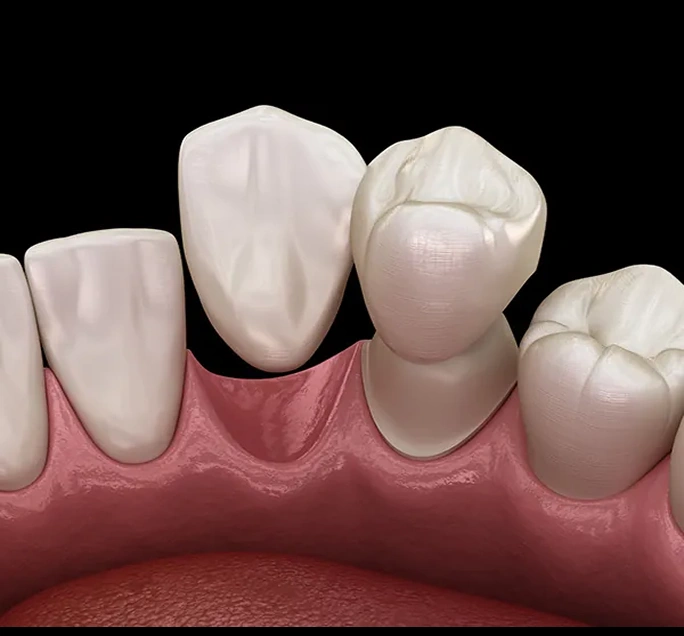
A dental crown restores the strength, shape, and appearance of a damaged tooth. Once your treatment is complete and you leave the dental office, the healing and long-term success of your crown depend heavily on how well you care for it at home. Many patients in Fitchburg want to know how long dental crowns last and what daily habits help them stay strong. The good news is that with gentle care and a few routine habits, your crown can last for years and feel as natural as your real teeth.
Whether you recently had dental crowns or are planning to have them soon, understanding post-treatment care will help you protect your investment and keep your smile confident. This guide offers real-life tips, daily care steps, eating habits to follow, and long-term routines that make dental crown care simple at home.
What to Expect Right After Your Crown Appointment
After leaving the dental office, your mouth may feel tender. You may notice mild sensitivity to hot or cold drinks, or tightness when biting down on hard foods. These sensations are normal and usually fade in a few days. The area around the crown needs time to settle and adjust.
During the first few hours:
- Avoid chewing on the side of the treated tooth.
- Choose soft foods like soups, mashed potatoes, or yogurt.
- Use over-the-counter pain relief if needed (only as recommended).
- Do not eat hard or sticky foods immediately after treatment.
Try to create a comfortable environment for your tooth to heal, just as you would after any dental procedure.
Daily Oral Care Tips for a Long-Lasting Crown
Caring for a dental crown is almost the same as caring for a natural tooth, but with a little more attention to avoid pressure, force, or plaque buildup.
Brush and Floss Regularly
Brush twice daily using a soft-bristle toothbrush. Be gentle around the crown area, especially near the gumline. Fluoride toothpaste helps keep your teeth strong. Flossing daily is equally important. Slide the floss gently, rather than snapping it between teeth, to avoid dislodging the crown.
Use Mouthwash for Added Protection
An alcohol-free mouthwash reduces bacteria and supports gum health. It also reaches places a toothbrush can miss.
Watch for Grinding or Clenching
If you grind your teeth at night, consider asking your dentist about a night guard. Grinding puts extra pressure on crowns and may shorten their lifespan.
Avoid Habits That Stress Your Crown
Do not use your teeth as tools. Avoid chewing ice, biting nails, opening packages, or tearing tape. Small habits can cause significant damage over time.
Eating Habits That Keep Your Crown Safe
Right after treatment, stick to soft foods for at least a day or two. Once the sensitivity reduces, you can return to regular meals, but with smart choices.
Recommended Foods:
- Cooked vegetables
- Scrambled eggs
- Soft fruits like bananas
- Rice, pasta, oatmeal
- Tender meats or fish
Foods to Avoid:
- Hard candies
- Caramel or sticky sweets
- Ice cubes
- Corn on the cob (grip with your hands instead of biting)
- Nuts, very crunchy snacks
In Fitchburg, many residents enjoy local favorites like pastries from Morphology Café or grabbing a sandwich before a day at the Fitchburg Art Museum. You can still enjoy those treats. Just chew gently and avoid biting directly with the crowned tooth until it settles.
Sensitivity and Discomfort: What’s Normal?
Mild discomfort is expected, especially if you had a temporary crown before your final one. Sensitivity to hot or cold drinks, like morning coffee on a chilly Massachusetts day, may appear for a short time. If discomfort lasts longer than 2 weeks or worsens rather than improving, it’s a good time to schedule a check-in.
Call your dental office if you notice:
- Persistent pain that doesn’t improve
- Swelling or inflammation around the gums
- The crown feels loose.
- Clicking sensation when you bite
- Unusual odor or taste near the crown
Early attention can prevent further issues.
Regular Dental Visits Matter
Even with good home oral care, dental crowns require routine checkups. Visiting your dentist twice a year helps spot early concerns and ensures your bite remains aligned. Professional cleanings remove plaque and keep both the crown and surrounding teeth healthy.
People in Fitchburg often juggle work, family, and weekend plans at places like Coggshall Park. It is easy to push dental checkups aside, but short preventive appointments save time, money, and discomfort in the long term.
With continuing care, you may also return for adjustments or polishing to maintain your crown’s natural look. Many patients with dental crowns find that consistent cleanings keep their restoration bright, secure, and comfortable.
Quick At-Home Habits to Maintain Your Crown
- Brush and floss gently every day
- Rinse with an alcohol-free mouthwash
- Avoid biting hard foods.
- Use a night guard if you clench or grind
- Schedule routine dental cleanings
Small daily routines protect your crown for many years.
Your dental crown is an essential investment in your dental health. With proper care, it can protect your tooth and help you chew, smile, and speak confidently. Whether you recently received dental crowns in Fitchburg or are considering them, consistent home care and routine visits will keep them stable and beautiful for years.
If you have concerns or want to make sure your crown is healing well, scheduling an appointment is simple. The team at Rollstone Family Dental in Fitchburg, MA, is available to guide you, answer questions, and help you maintain strong oral health.
Book your visit today through the website or call the clinic – your smile deserves lasting attention.
FAQs
1. How long can a dental crown last?
Most crowns last 10–15 years or more with good oral care. Brushing, flossing, regular checkups, and avoiding hard chewing help extend longevity.
2. Can I eat normally with a dental crown?
Yes, once initial sensitivity fades. Just avoid biting hard objects and sticky foods, as they may loosen or damage the crown.
3. Why does my crown feel sensitive?
Sensitivity is common for a few days after treatment. If discomfort continues beyond two weeks, schedule an appointment.
4. Do crowns require special maintenance?
Not special, but careful. Treat them like natural teeth, floss daily, and maintain clean gumlines to avoid decay beneath the crown.
5. What if my crown becomes loose?
Avoid chewing on it and contact your dentist right away. A loose crown needs professional attention to prevent further damage.
6. Can a dental crown get cavities?
The crown itself doesn’t decay, but the tooth underneath can. Daily oral hygiene and routine dental visits prevent cavities at the margins.
7. Is it normal to feel pressure while biting?
A little difference in bite may occur. If pressure persists, your dentist can make a quick adjustment to improve comfort.