

What Happens During Dental Implant Surgery? A Step-by-Step Look at the Procedure
Losing a tooth can affect more than the appearance of your teeth. Depending on its location, a missing tooth may make chewing less comfortable, affect how neighboring teeth fit together, and create changes in the way you speak.
Dental implants are one option for replacing missing teeth. They are designed to provide a stable foundation for a replacement tooth by integrating with the surrounding jawbone.
Although implants are a familiar treatment option, many patients have questions about the surgical process. They want to know what happens before placement, how the implant is positioned, how long healing takes, and when the replacement tooth is attached.
For patients considering dental implants in Fitchburg, MA, understanding the treatment stages can make the initial consultation more productive.
What Is a Dental Implant?
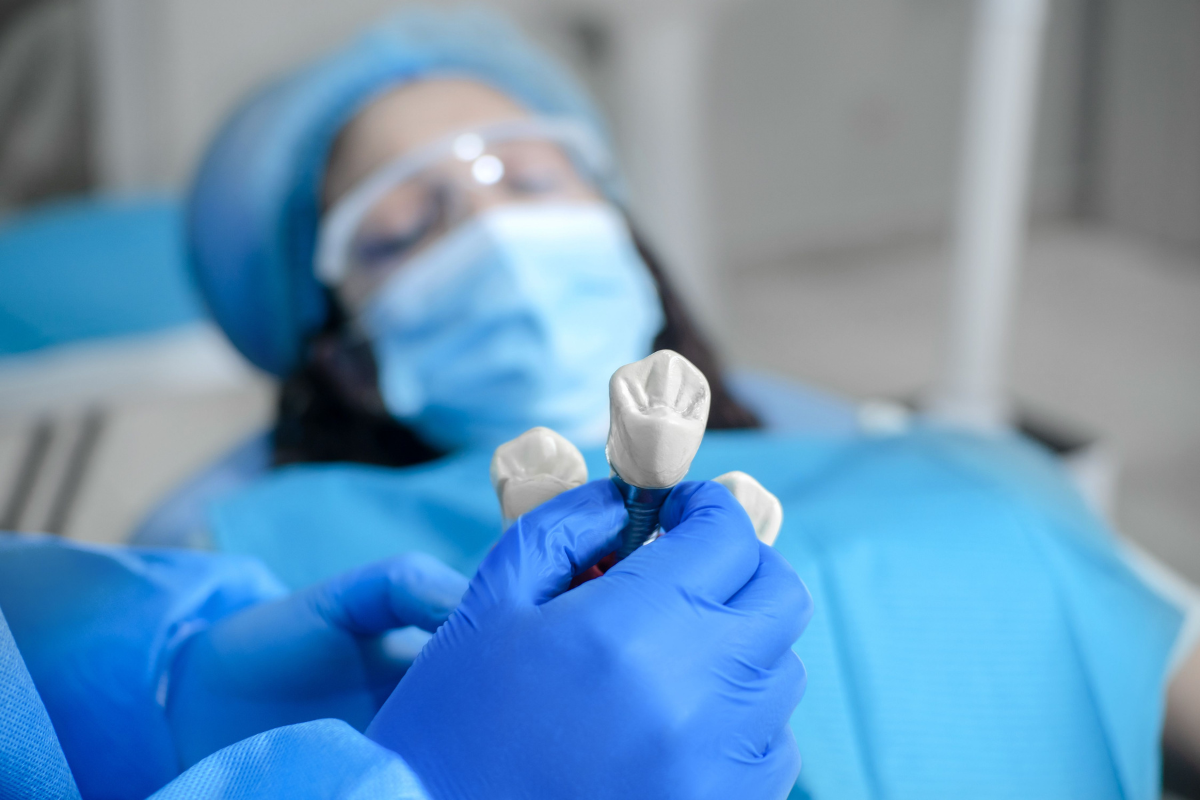
A dental implant is a small post, commonly made from titanium, that is placed in the jawbone to serve as an artificial tooth root.
After placement, the surrounding bone gradually integrates with the implant through a process called osseointegration.
Once sufficient healing has occurred, the implant can support a dental restoration.
Depending on the number and location of missing teeth, the final restoration may be:
A single dental crown
An implant-supported bridge
An implant-supported denture
The appropriate option depends on your oral health, the number of missing teeth, and your treatment goals.
Step 1: Initial Examination and Treatment Planning
Dental implant treatment begins with an evaluation.
Your dentist examines your teeth and gums, reviews your dental and medical history, and assesses the area where the implant is being considered.
Dental X-rays or other imaging may be recommended to evaluate the available bone and surrounding structures.
Several factors influence whether implant placement is appropriate:
The location of the missing tooth
The amount and quality of jawbone
The condition of your gums
Your overall health
Existing dental conditions
Whether additional procedures are necessary
This stage helps your dentist develop a treatment plan that addresses your individual needs.
Step 2: Preparing the Implant Site
Not every patient is ready for implant placement immediately after the initial examination.
Some patients have sufficient bone and healthy surrounding tissues to proceed with surgery. Others may need additional treatment first.
For example, bone grafting may be recommended when there is not enough bone to support an implant.
If a damaged tooth is still present, extraction may be necessary. Depending on the clinical situation, an implant may sometimes be placed at the same appointment as extraction. In other cases, the area needs time to heal before implant placement.
Patients with active gum disease may also need periodontal treatment before proceeding.
Your dentist will explain which preparatory steps are necessary and how they affect the overall treatment timeline.
Step 3: Placing the Dental Implant
Once the site is ready, the implant can be surgically placed in the jawbone.
Local anesthesia is commonly used to numb the treatment area. Other comfort options may be discussed depending on the complexity of the procedure and your individual needs.
The dentist prepares a space in the jawbone and positions the implant carefully.
After placement, a healing cap or other component may be attached. Depending on the treatment plan, the gum tissue may be closed over the implant while it heals.
The exact surgical approach depends on the patient's anatomy, the implant location, and other clinical factors.
Step 4: Healing and Osseointegration
After surgery, the implant needs time to integrate with the surrounding bone.
This process is called osseointegration. It creates the stable connection needed for the implant to support the final restoration.
Healing may take several months. The timeline varies depending on bone quality, overall health, implant location, and whether additional procedures such as bone grafting were performed.
During this period, your dentist monitors the treatment area and provides instructions for protecting it.
Even if the surgical site feels comfortable, attending follow-up appointments is important.
Step 5: Attaching the Final Replacement Tooth
Once the implant has integrated sufficiently with the jawbone, the next stage involves preparing the final restoration.
An abutment connects the implant to the replacement tooth.
Your dentist will plan the restoration according to your bite, the position of surrounding teeth, and the appearance you want to achieve.
The final restoration may be a crown for a single missing tooth or another type of implant-supported prosthesis when multiple teeth are being replaced.
Before treatment is completed, the dentist checks the restoration's fit and function.
What Should You Expect After Implant Surgery?
Some tenderness, swelling, and minor bleeding may occur after implant placement. These effects generally improve as healing progresses.
Your dentist will provide instructions based on the procedure performed.
General postoperative recommendations may include:
Eating soft foods during the initial recovery period.
Avoiding smoking and tobacco products.
Keeping the surgical area clean as directed.
Avoiding unnecessary pressure on the implant site.
Taking prescribed or recommended medications as instructed.
Attending scheduled follow-up appointments.
Contact your dental office if you experience worsening pain, persistent bleeding, increasing swelling, fever, or other concerning symptoms.
How Long Does the Complete Implant Process Take?
There is no single timeline for every dental implant patient.
A straightforward case may progress more quickly than one involving extraction, bone grafting, or treatment for gum disease.
Some patients may qualify for an immediate temporary restoration, while others need several months of healing before the final tooth can be attached.
Your dentist can provide a more realistic estimate after evaluating your oral health and discussing the treatment plan.
Dental Implant Treatment in Fitchburg, MA
Replacing missing teeth involves careful planning, surgical placement, healing, and restoration. Understanding each stage can help you make an informed decision about your treatment.
Rollstone Family Dental of Fitchburg provides dental implant treatment in Fitchburg, MA, along with general and restorative dental services.
If you are considering replacing a missing tooth, a dental evaluation can help determine whether implants are appropriate and whether you need any additional preparation before treatment.
For information about Dental Implants Fitchburg patients can explore, contact us at (978) 344-6916 to schedule an appointment.
Frequently Asked Questions
1. Is dental implant surgery painful?
Local anesthesia helps numb the treatment area during surgery. Some tenderness and swelling may occur afterward, but your dentist will provide instructions for managing recovery.
2. How long does dental implant surgery take?
The procedure time depends on the number of implants being placed and the complexity of the case. Your dentist can provide an estimate after evaluating your treatment needs.
3. How long does it take for a dental implant to heal?
Osseointegration can take several months. The healing period varies based on bone quality, implant location, overall health, and whether additional procedures are required.
4. Can I eat normally after dental implant surgery?
You will generally need to follow a soft-food diet initially and gradually return to your usual diet as healing progresses. Follow your dentist's specific instructions.
5. Is everyone a candidate for dental implants?
No. Adequate bone support, healthy gums, and overall health are important considerations. Some patients may need additional treatment before implant placement.
Related Articles