
Is My Toothache an Emergency?

Understanding the symptoms of a toothache is crucial for quick comfort and care. Tooth pain rarely shows up at a convenient time. One moment you’re enjoying a meal or walking through downtown, and the next, a sharp or lingering ache takes over your focus. While some toothaches fade, others signal something that needs immediate attention.
So, how can you tell if it’s serious?
At Rollstone Family Dental of Fitchburg, Dr. Mark Berenshteyn helps patients understand the difference between manageable discomfort and a true dental emergency. Knowing what your symptoms mean can protect your oral health and prevent complications.
What Causes Toothaches in the First Place?
Toothaches are not random. They are usually your body’s way of alerting you to an underlying issue. The most common causes include:
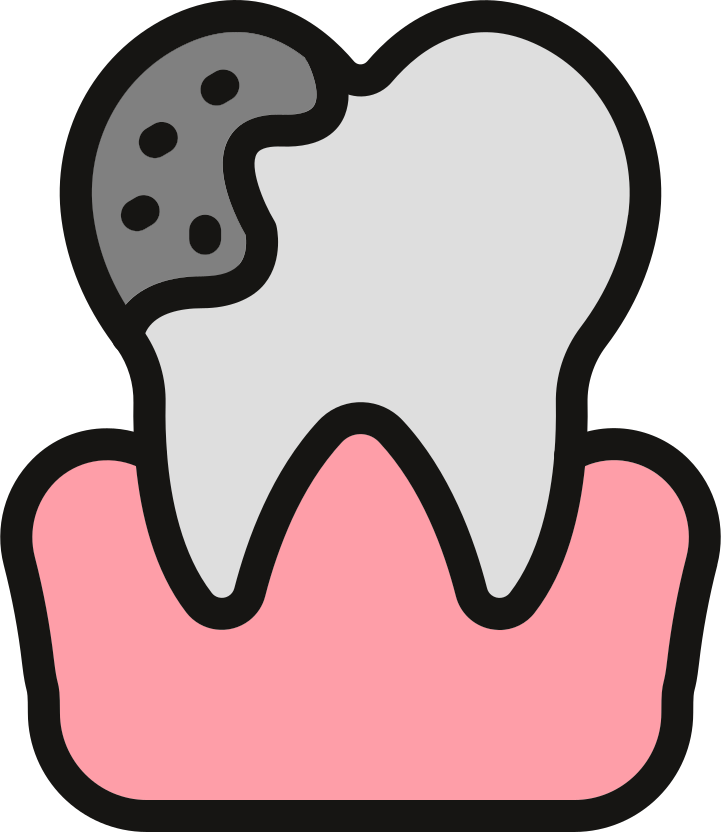
Cavities
Tooth decay breaks down the enamel and moves deeper into the tooth. When it reaches the inner layers, it can trigger sensitivity, pain, or infection.

Impacted Teeth
Wisdom teeth or other teeth that fail to erupt properly can become trapped under the gums, causing pressure and discomfort.
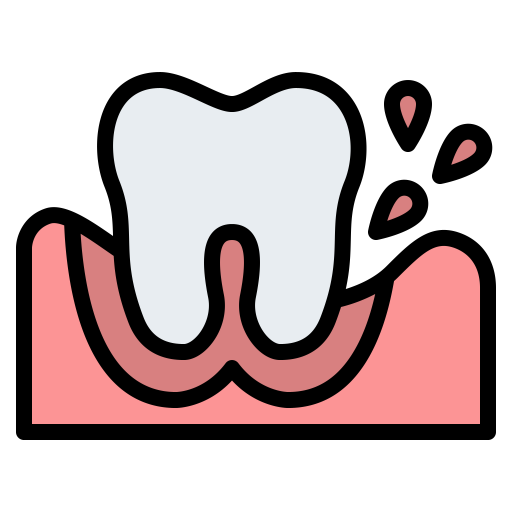
Infection
Bacterial infections can develop from untreated decay, cracks, or gum disease. These often cause intense pain and swelling.
Bruxism
Grinding your teeth, often during sleep, places constant pressure on your teeth and jaw. Over time, this leads to soreness and structural damage.
Gum Disease
Early gum inflammation can cause tenderness and bleeding. As it progresses, it may lead to gum recession and expose sensitive tooth roots.
Each of these conditions requires a different level of care, which is why recognizing symptoms early is essential.
When a Toothache Becomes a Dental Emergency
Not every toothache requires urgent care. However, certain symptoms should never be ignored. These signs indicate that you need immediate attention from a dentist in Fitchburg.

Severe and Persistent Pain
Pain that does not improve or worsens over time often signals a deeper issue, such as nerve damage or infection.

Swelling in the Face or Gums
Swelling is a clear warning sign. It might suggest a dental infection that could worsen or spread if not treated.
Fever Alongside Tooth Pain
A fever suggests your body is fighting an infection. When paired with dental pain, it often points to a serious condition like an abscess.
Pus or Bleeding Around the Tooth
Pus is a strong indicator of infection. Bleeding gums may also signal advanced gum disease.
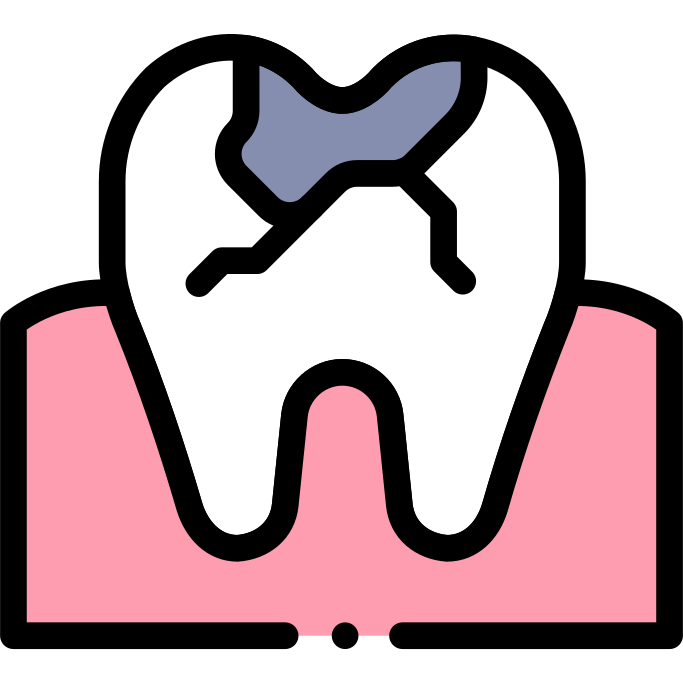
Cracked, Broken, or Knocked-Out Tooth
Any physical trauma to a tooth should be treated immediately. Taking prompt action can frequently save the tooth.
Difficulty Swallowing or Breathing
This is a medical emergency. Infection may be spreading and requires immediate care.
If you notice any of these symptoms, do not delay. Seeking prompt care can prevent more complex treatment later.
What You Can Do Before Seeing a Dentist
While waiting for your appointment, a few simple steps can help manage discomfort and reduce risk:
- Swish warm saltwater in your mouth to cleanse the area
- Take over-the-counter pain relief as directed
- Apply a cold compress to reduce swelling
- Avoid very hot, cold, or sugary foods
- Keep the affected area clean and undisturbed
These steps are temporary measures. They do not replace professional dental care.
Why Acting Early Matters
Many patients delay treatment, hoping the pain will go away. In reality, dental problems rarely resolve on their own. Delaying treatment rarely solves the problem. Many patients wait, hoping the pain will fade on its own. While the discomfort may seem to ease temporarily, the underlying issue often remains. Dental conditions do not heal without proper care. In fact, the problem can continue to develop silently, making it harder to treat later.
Moreover, minor issues can turn into major concerns. A small cavity can quickly reach the inner layers of the tooth, leading to infection or nerve damage. Gum irritation can progress into advanced gum disease, affecting the supporting bone. What begins as mild sensitivity or occasional pain can result in more involved procedures if ignored for too long.
When in Doubt, Get It Checked
A good rule to follow is simple: if your toothache is affecting your daily life, it deserves attention. Even if the pain seems manageable, it’s better to have it evaluated early. This avoids complications and gives you peace of mind.
Ignoring tooth pain can lead to bigger problems. If you are dealing with discomfort, swelling, or uncertainty, it is time to act.
Rollstone Family Dental of Fitchburg is here to help you find answers and relief quickly.
If you are experiencing a toothache and are unsure whether it is an emergency or not, Dr. Mark suggests taking the following action.
Rollstone Family Dental of Fitchburg is here to help you find answers and relief quickly. Call (978) 344-6916 to schedule your appointment and get the care your smile needs.
FAQs
Is a toothache considered a dental emergency?
How can I tell if my toothache is something to worry about?
What should I do if my toothache is unbearable?
Can a tooth infection go away on its own?
When should I go to the ER for tooth pain?
What helps tooth pain while waiting for a dental appointment?
Can a cracked tooth cause emergency pain?
Related Articles