
What Should You Do After a Dental Injury? A Guide for Fitchburg Residents
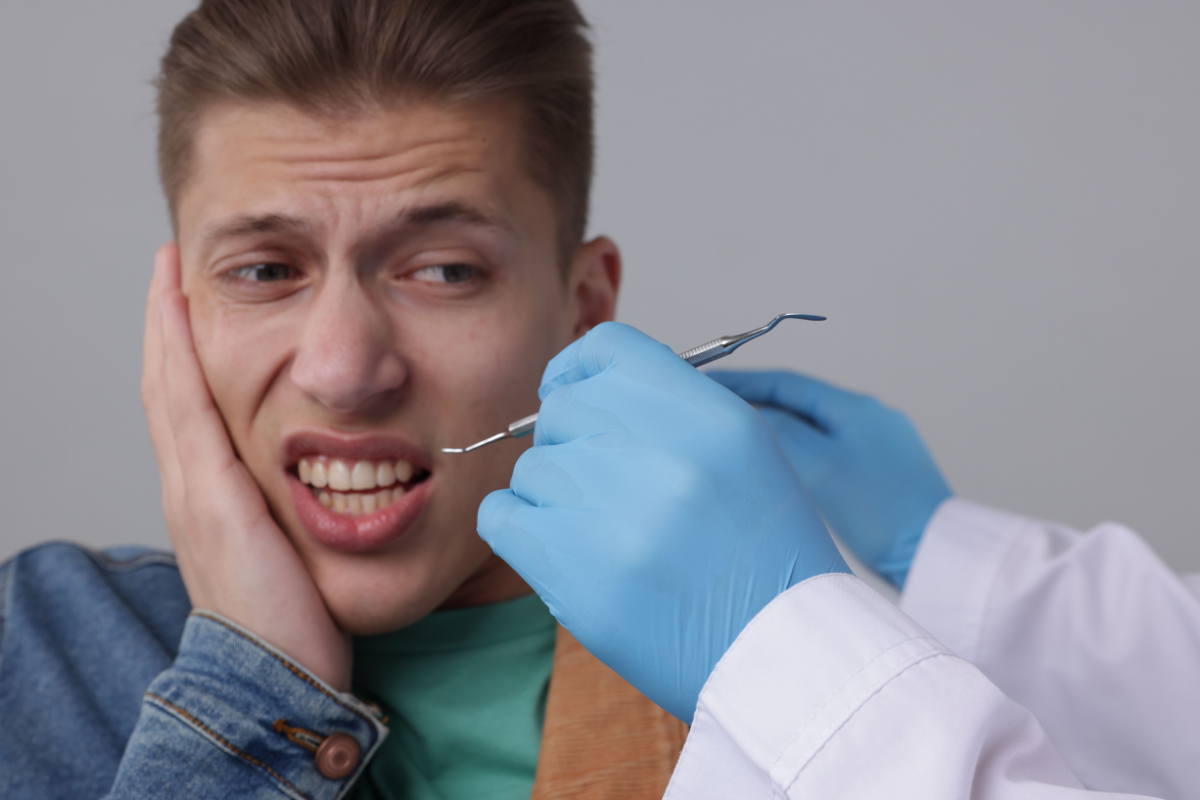
A dental injury can happen during an ordinary day. A fall, a sports collision, an accident at home, or biting down on something unexpectedly hard can damage a tooth or the surrounding tissues.
When an injury occurs, it is natural to feel unsure about what to do first. Some injuries cause immediate pain, while others may initially seem minor. Even when discomfort is limited, damage to the tooth or its supporting structures may still require professional attention.
Knowing how to respond can help protect the affected area while you arrange appropriate care.
For residents of Fitchburg, MA, Rollstone Family Dental of Fitchburg provides emergency dental care and encourages patients with urgent dental concerns to contact the office for assistance.
1. What to Do If a Permanent Tooth Gets Knocked Out
A permanent tooth that has been completely knocked out requires immediate dental attention. Acting quickly may improve the chances of saving it.
Follow these steps:
Pick up the tooth by its crown, which is the visible part normally above the gumline.
Avoid touching or scrubbing the root.
If the tooth is dirty, gently rinse it with milk or saline. Do not use soap or disinfectants.
If possible, carefully place it back into its socket without forcing it.
If you cannot reinsert it, keep it moist in milk or an appropriate tooth-preservation solution.
Seek emergency dental care immediately.
Do not let the tooth dry out. Time is especially important in this situation.
A knocked-out baby tooth should not be placed back into its socket because doing so can damage the developing permanent tooth.
2. What to Do If You Chip or Break a Tooth
A chipped or broken tooth can range from a minor cosmetic problem to a more serious injury involving the inner portion of the tooth.
If you break a tooth:
Rinse your mouth gently with warm water.
Save any pieces you can find.
Apply a cold compress to the outside of your cheek if swelling develops.
Avoid chewing on the injured side.
Stay away from foods and drinks that trigger sensitivity.
Contact your dentist for an evaluation.
Do not attempt to attach the broken piece using household glue or other adhesives.
Even if a small chip does not hurt, a dental examination can help determine whether the damage extends beyond the visible surface.
3. What to Do If a Tooth Becomes Loose After an Accident
A permanent tooth that becomes loose after an impact may have suffered damage to the tissues supporting it.
Avoid pushing or repeatedly testing the tooth with your fingers or tongue. Try not to chew on the affected side, and arrange prompt dental care.
Your dentist may need to evaluate the tooth's position, surrounding bone, and supporting tissues. Depending on the injury, treatment may involve repositioning the tooth and stabilizing it with a dental splint.
Do not assume that a loose tooth will become stable without treatment.
4. How to Handle Injuries to Your Gums, Lips, or Cheeks
Dental accidents can also cause cuts or injuries to the soft tissues inside your mouth.
For a minor injury, rinse gently with clean water. If the area is bleeding, apply gentle pressure with clean gauze.
A cold compress placed against the outside of your cheek may help reduce swelling.
Seek urgent medical attention if you experience heavy bleeding that does not stop, deep facial cuts, suspected jaw fractures, difficulty breathing, or significant facial trauma.
If a head injury or loss of consciousness is involved, seek emergency medical care immediately.
5. When Should You Seek Emergency Dental Care?
Not every dental injury requires the same treatment, but certain symptoms should never be ignored.
Contact a dentist promptly if you experience:
A knocked-out permanent tooth
A significantly loose or displaced tooth
A deep tooth fracture
Persistent or severe dental pain
Bleeding that continues after an injury
Swelling around an injured tooth
Difficulty biting because of tooth damage
If you develop facial swelling accompanied by fever, or have difficulty swallowing or breathing, seek urgent medical care. These symptoms may indicate a serious infection or other medical emergency.
6. What Happens During an Emergency Dental Appointment?
An emergency dental visit begins with an evaluation of the affected area.
Your dentist may examine the tooth, gums, and surrounding tissues to understand the extent of the damage. Dental X-rays may be recommended when additional information is needed.
Treatment depends on the type and severity of the injury.
Possible options include:
Smoothing minor chips
Dental bonding
A filling or crown
Repositioning and stabilizing a displaced tooth
Root canal treatment when the dental pulp is affected
Tooth extraction when the damage cannot be repaired
Some dental injuries require follow-up visits because complications involving the tooth's nerve or supporting tissues may develop later.
How Can You Reduce the Risk of Dental Injuries?
Accidents cannot always be prevented, but certain precautions can help protect your teeth.
Wear a properly fitted mouthguard during contact sports and recreational activities where facial injuries are possible. Avoid chewing ice and hard objects, and do not use your teeth to open packages.
If you grind your teeth, ask your dentist whether a protective nightguard may be appropriate.
These habits can help reduce unnecessary stress on your teeth.
Emergency Dental Care in Fitchburg, MA
A damaged tooth should be evaluated based on the type of injury, even if the pain is not severe. Prompt attention can help determine whether the tooth can be preserved and what treatment may be necessary.
Rollstone Family Dental of Fitchburg provides emergency dental care in Fitchburg, MA, and makes efforts to accommodate patients experiencing urgent dental problems.
If you have a broken tooth, dental injury, or another urgent concern, call (978) 344-6916. Explain what happened and describe your symptoms so the office can guide you on the next appropriate steps.
For severe facial injuries, difficulty breathing, or other serious medical emergencies, seek emergency medical attention immediately.
Frequently Asked Questions
1. Can a knocked-out permanent tooth be saved?
Sometimes. The chances depend on how quickly the tooth receives appropriate care and how it has been handled. Keep it moist and seek immediate dental attention.
2. Should I visit a dentist if my chipped tooth does not hurt?
Yes. A painless chip may still involve deeper damage. An examination helps determine whether the tooth needs treatment.
3. Can a loose tooth become stable again after an injury?
Some injured permanent teeth can stabilize with appropriate treatment. The outcome depends on the damage to the supporting tissues and the tooth itself.
4. Should I put ice directly on a damaged tooth?
No. A cold compress can be applied to the outside of your cheek to help manage swelling. Avoid placing ice directly against the injured tooth or gum.
5. What should I do if my dental injury happens after office hours?
Contact the dental office and follow its emergency instructions. If you have severe swelling, difficulty breathing or swallowing, uncontrolled bleeding, or significant facial trauma, seek emergency medical attention.
Related Articles